HARDSTOP?
This work explores our relationships with autonomous machines through a "stillness-to-stillness" model of interaction
Type
Audiovisual art installation, Interaction design, Group project
Materials/Tech
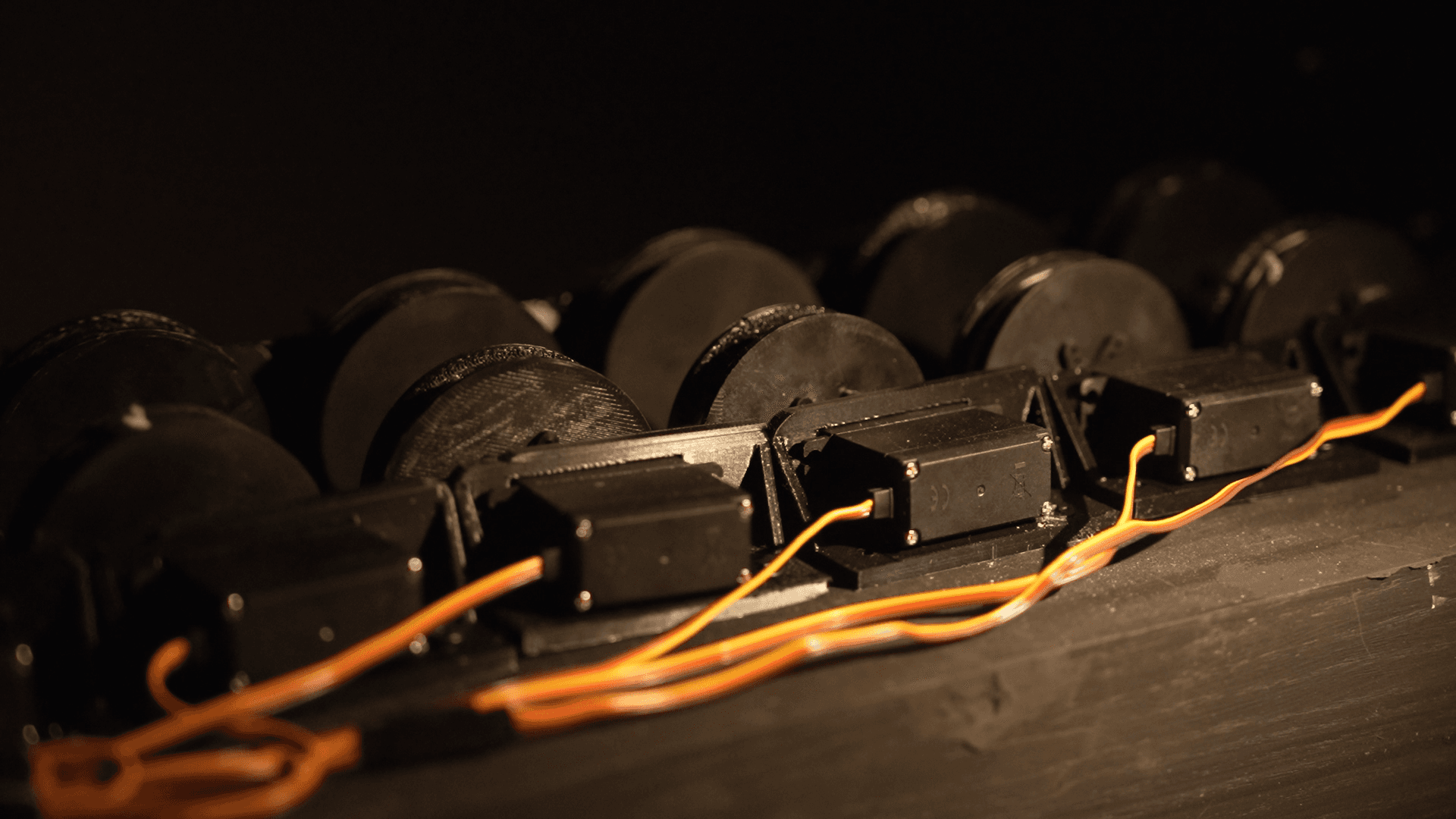
Motion detection (OpenCV, Pythhon, MediaPipe Pose), Sound generation (Pure Data), 12 motors (Arduino)
Exhibition
Parsons School of Design Thesis Show 2026, May 15-16, New York, USA
Project description
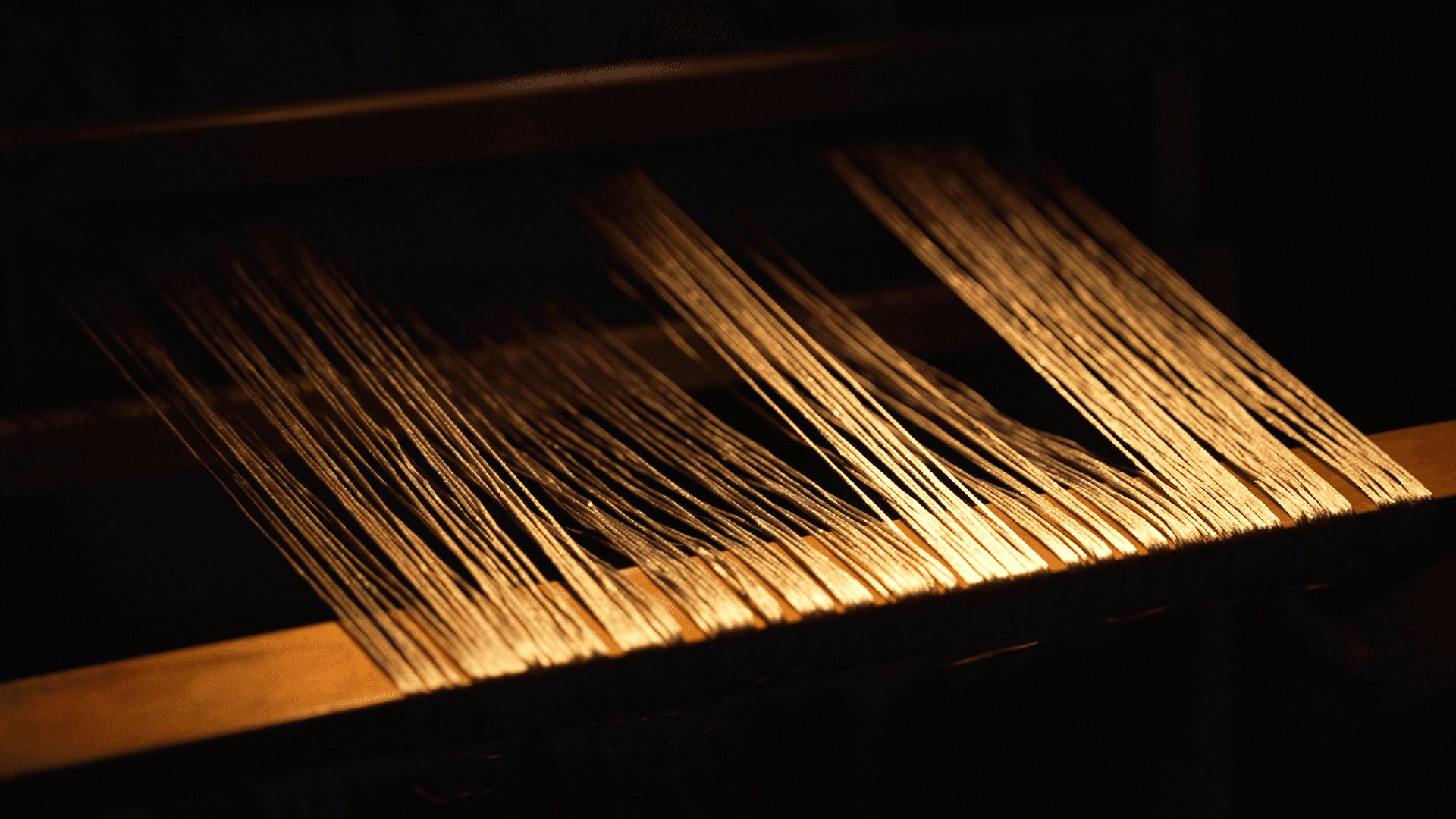
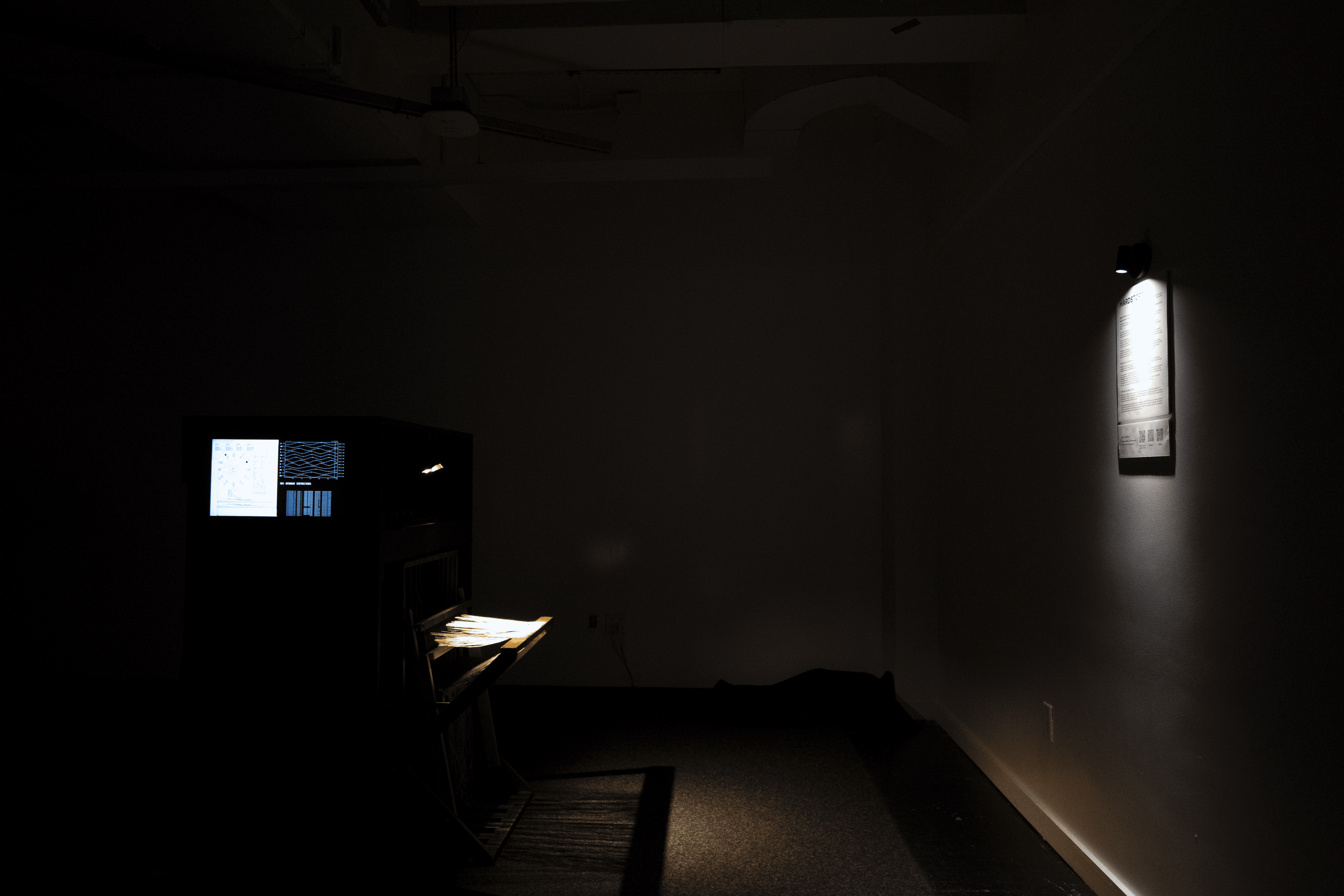
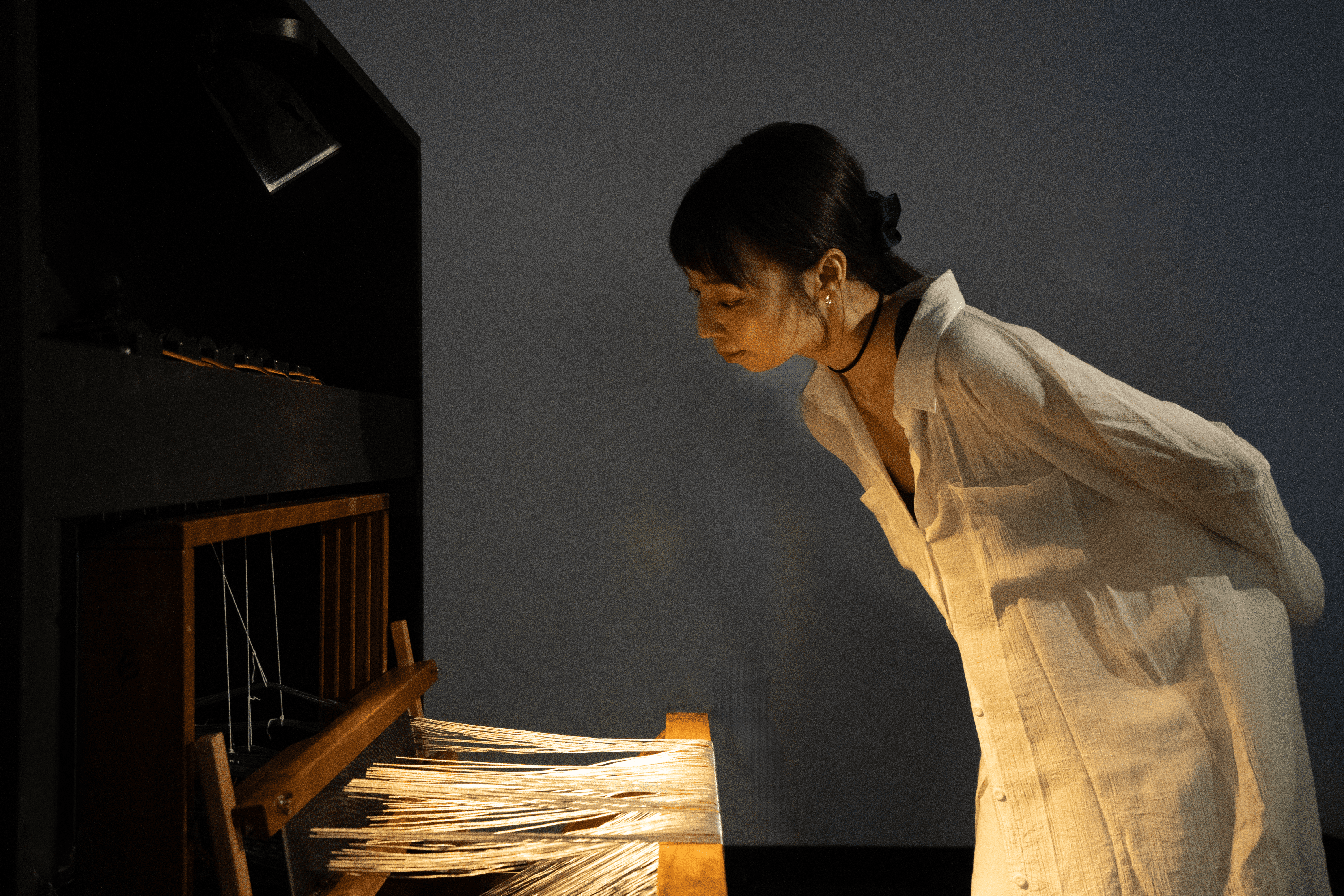
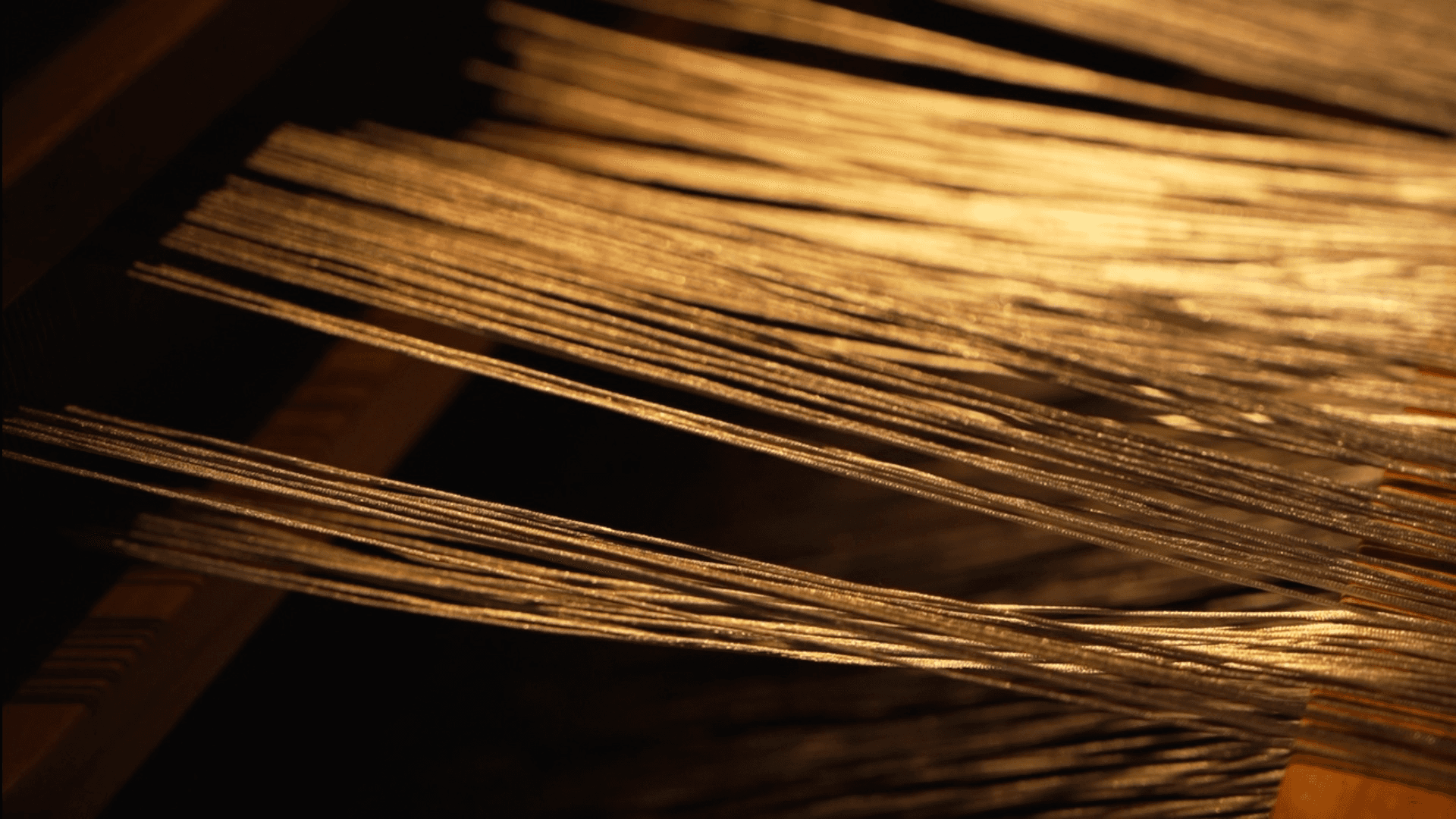
HARDSTOP? is an interactive audiovisual installation that interrogates our relationships with autonomous machines through a "stillness-to-stillness" model of interaction. When a visitor stands still before the automatic loom — a metaphor for autonomous machines — the otherwise ceaseless loom falls still in return.
The automatic loom is often remembered as an ancestor of the computer. But one Japanese lineage took a different path over a century ago. The loom company that grew into TOYOTA built automatic looms that sense their own abnormalities and stop themselves, releasing workers from monitoring machines all day long.
Yet with the rise of agentic AI and other autonomous systems, watching over machines has taken on new importance — returning us to the very role we were once freed from.
HARDSTOP? traces the re-emergence of human-machine monitoring through the older history of watching looms. The installation uses a camera and pose-detection model (MediaPipe Pose) to read the visitor's stillness.
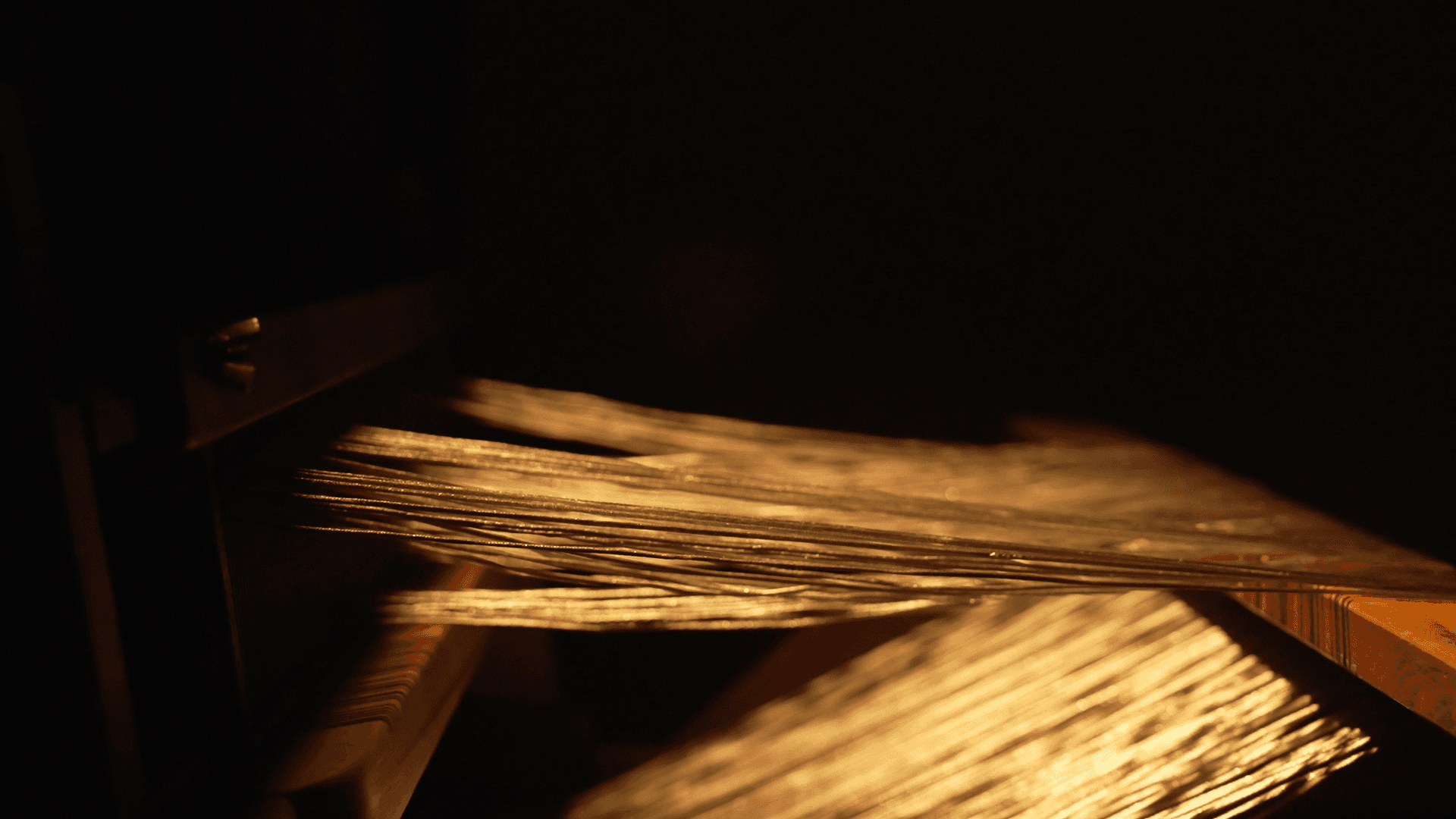
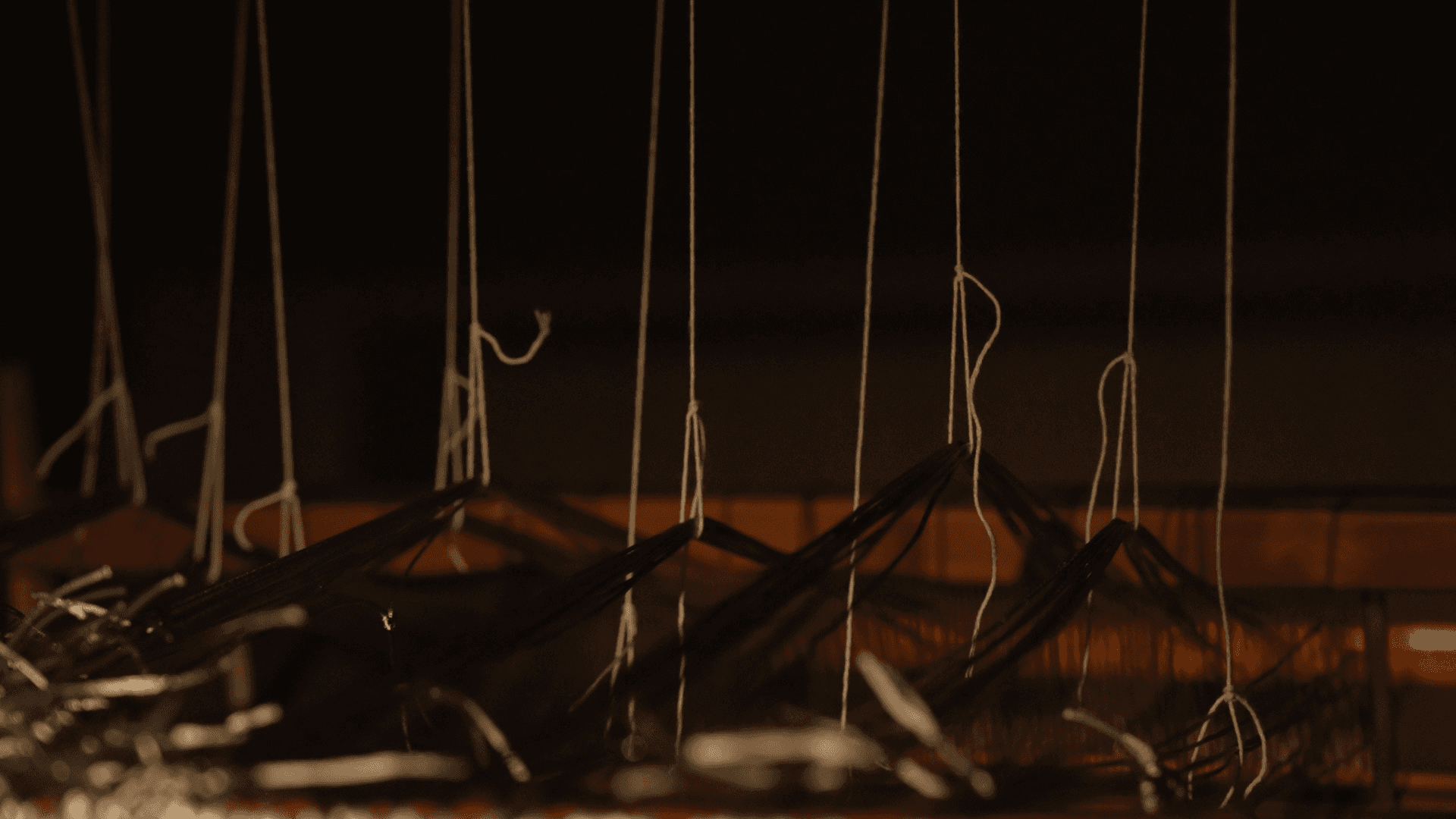
The loom has twelve groups of threads, each rises and falls driven by a motor that follows a sine wave of twelve different notes. At each peak and trough, the wave triggers a tone of its own through a sound generating system. Each note follows a just-intonation scale — their frequencies bound by the simple ratios found in the physics of vibration, predating the equal-tempered scale invented for human convenience.
Tuned not to human convenience but to the physics of vibration itself, the loom traces an emerging condition in which autonomous machines, once given a goal, find their own way there. Through the physical experience, the work invites viewers to imagine a future in which human-machine encounters increasingly take place not in instruction, but in interruption: when a human is detected, the loom slows; when the stillness lasts, it stops.
In an age when machines may no longer obey, what we need might be the composure to face them and reconsider what we are becoming together.
HARDSTOP? reframes human stillness as a signal of abnormality, and the loom halts itself in response. In contemporary society, we are rarely still. Our relentless pursuit of progress is precisely what keeps the machines in motion. Humans and machines, in this sense, form a kind of mirror, or symbiosis, in which neither party is permitted to pause.
Acknowledgements
Fabrication support: Kohei Takegawa
Advice and material support: New York Guild of Handweavers